IPL Machine
Intense Pulsed Light broad-spectrum device (430-1200nm) for hair removal, skin rejuvenation, pigmented and vascular lesion removal, and acne treatment.
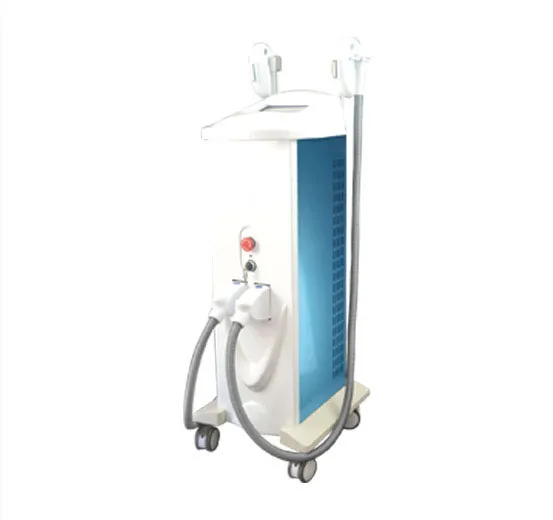
An IPL machine professional clinics actually use is built around changeable filters, not preset home modes. That one difference drives everything below. What you can advertise in Great Britain. Who you can safely treat. Which jobs belong to a laser instead.
What a professional IPL machine adds to a salon treatment list
IPL is broad-spectrum light, typically 430-1200nm on this class of machine with eight filter bands. A filter blocks the shorter wavelengths, so one handpiece can be set for hair, redness or pigmentation. That is why a UK salon buys one workstation instead of three. The trade-off? Output is less selective than a laser. So treat IPL as a course-based tool for mild to moderate concerns, not a single-session fix. Picture a Tuesday-afternoon salon running back-to-back legs: if the filter swap is slow, the whole column backs up.
How filter choice shapes your menu more than the base unit
Your filter drawer decides what you can sell. Common bands: 610-1200nm for hair removal, 585-1200nm for vascular lesions, 530-1200nm for skin rejuvenation. A machine sold with only one filter is a far narrower purchase than the spec sheet suggests. Ask before you commit. Which filters are included, and which bands are a paid add-on? Each band targets a different chromophore, so your menu is only as wide as the filters you actually own. And if a supplier can't tell you which filter suits which Fitzpatrick skin type, that supplier won't help you trade safely either.
Fluence, pulse width and cooling: where the safety boundaries sit
On this platform fluence runs from 1 to 50J/cm² and pulse width from 1 to 9.9ms. Higher fluence is not better. Push it with the wrong cooling or the wrong pulse timing and you buy an epidermal burn. The air, semiconductor and water cooling is there to protect the surface while energy reaches the target. On darker skin you'll sit at the low end of the fluence range and stretch the pulse delay. No per-skin-type guidance on fluence and pulse width from the supplier? Walk away. This is the line between a busy treatment list and an adverse incident folder.
Darker skin types, patch tests and post-inflammatory hyperpigmentation
Clients with darker Fitzpatrick skin types run a higher risk of post-inflammatory hyperpigmentation (PIH) after IPL, because melanin in the epidermis competes with the intended target. So a patch test on an inconspicuous area is non-negotiable, not a courtesy. Wait at least 24 to 48 hours before you treat the full area, and record the response. If a client can't reliably report heat sensation, decline the treatment. You aren't refusing custom; you're protecting your insurance position and the client's skin. And keep evidence on file to satisfy the CAP Code before you advertise any treatment outcome on your menu.
When diode laser makes more sense for your clinic
IPL is not a laser. Its broad spectrum spreads energy across wavelengths, which makes it less selective on coarse dark hair, and less convincing for clients who want long-term reduction in fewer sessions. Is your column mostly high-volume hair removal on Fitzpatrick skin types IV to VI? Then an 808nm diode laser with sapphire contact cooling is usually the more surgical choice. It targets melanin in the follicle more directly, and it's built for fast sliding work. Keep IPL for skin rejuvenation, vascular and pigmentation work, where the versatility pays. Our IPL buying guide covers the rest before you decide.
UK compliance: medical claims, licences and supplier questions
In Great Britain, whether your IPL machine falls under UK MDR 2002 hangs on the manufacturer's stated intended purpose. Market the device for a medical purpose, say treating a diagnosed vascular lesion, and it must be registered with the MHRA and have a UK Responsible Person. So ask for three things in writing: a Declaration of Conformity, the registration status, and whether the unit carries UKCA or a transitional CE mark. Northern Ireland follows different rules. Your local council may also require a special treatment licence for light-based treatments, and as the employer you carry the laser safety responsibility for staff training, controlled areas and protective eyewear. Transitional deadlines move, so check MHRA guidance on the day you order.
Budgeting a professional IPL in pounds: VAT, import and spare parts
Expect a professional IPL machine to sit in the low-to-mid four figures before VAT, depending on filters and handpiece count. Budget past the base unit: training, an insurance uplift, consumables like cooling gel and replacement filters. Ask whether the quoted price includes VAT and who handles customs clearance, because import VAT and duty can shift your landed cost by a meaningful margin. Then ask where spare parts are held. A UK stock of flash lamps and filters means a few days' wait; a ship-from-overseas promise can turn a broken machine into weeks of lost bookings. Cost per treatment, not sticker price.
Specifications
| Wavelength | 430-1200nm (8 filter bands) |
|---|---|
| Energy Density | 1-50J/cm² |
| Spot Size | 8x40mm (10x50mm option) |
| Pulse Width | 1-9.9ms |
| Pulse Delay | 1-99ms |
| Frequency | 1-10Hz |
| Cooling System | Air + Semiconductor + Water |
| Safety Controller | Automatic Self-Checking and Alarm System |
Best for
A UK salon or spa that wants one flexible workstation for hair reduction, photorejuvenation, vascular and pigmentation work across a mainly Fitzpatrick I-III client base.
A clinic whose column is mostly high-volume hair removal on darker skin types or coarse hair, where a diode laser would deliver faster, more selective results with fewer sessions.
Frequently asked questions
Do I need a medical licence to run an IPL machine in England?
It depends on the device's intended purpose. If the manufacturer declares a medical purpose, the machine is regulated under UK MDR 2002 and must be MHRA registered. For purely cosmetic use it may sit outside that framework, but your local council can still require a special treatment licence. Confirm both points in writing before you open the booking diary.
Is IPL safe for dark skin?
Not universally. Fitzpatrick skin types IV to VI carry a higher risk of post-inflammatory hyperpigmentation because epidermal melanin absorbs broadband light. A patch test, low fluence and longer pulse delay are essential safeguards. If the supplier cannot give you settings per skin type, choose a diode laser route instead.
How many sessions will clients realistically need?
Course-based planning is the honest way. Hair reduction usually takes several sessions spaced weeks apart, and pigmentation or vascular work commonly needs a series. Do not promise a single-session result in your marketing unless you hold CAP Code evidence for that specific claim.
Request a quotation
Send your market and configuration needs — the Pmise team replies within 12-24 hours.