40K Ultrasonic Cavitation Slimming Machine
40kHz ultrasonic cavitation combined with RF for larger, softer fat areas: how the pairing works, what a course looks like, and what ships with the S01.
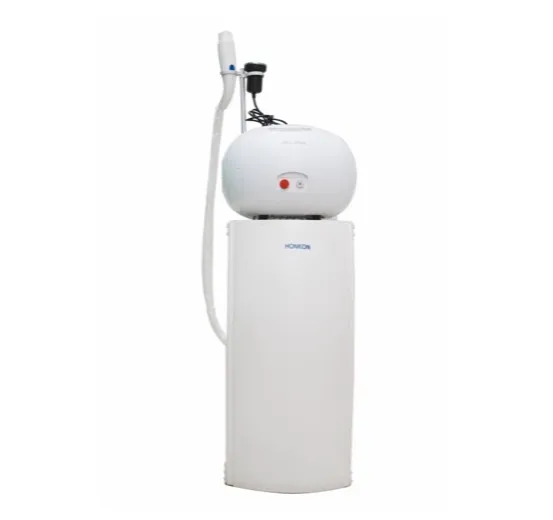
A fat cavitation machine is a body contouring tool, not a weight loss tool, and the sooner your team internalises that, the fewer awkward conversations you'll have in week six of a course. Say a clinic owner asks whether she should buy the 6 in 1 cavitation machine her distributor keeps pushing, or the single-purpose trolley her therapist actually wants. That question has an answer, and it isn't the slogan on the box.
What a Fat Cavitation Machine Actually Does
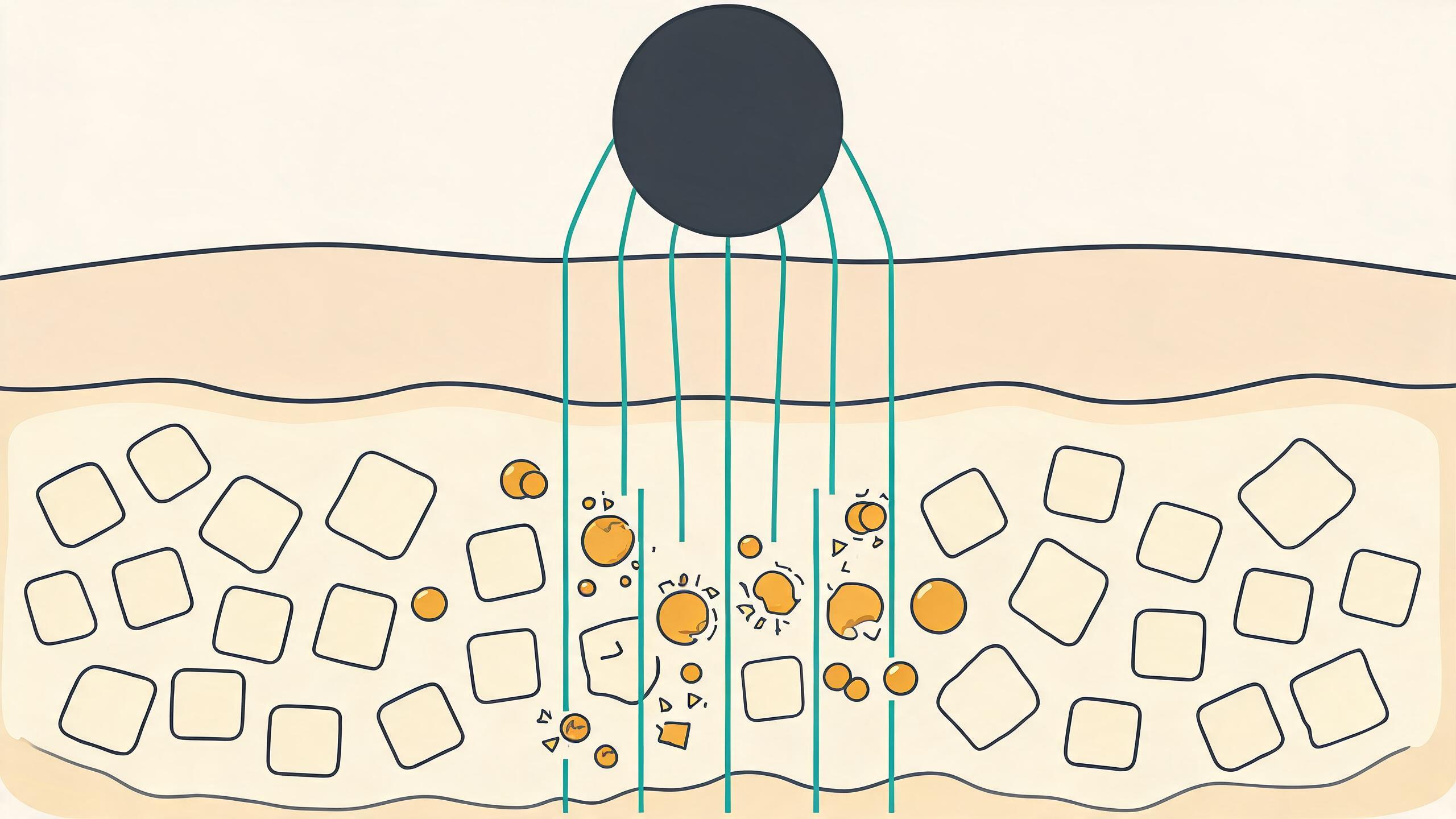
Low-frequency ultrasound, usually around 40kHz, creates alternating pressure cycles in fatty tissue. Those cycles form and collapse tiny bubbles inside the fat layer. That's cavitation, and the mechanical disruption can break down fat cell walls. Your client's lymphatic and metabolic pathways clear the released contents afterwards.
Book it as a course alongside whatever maintenance programme the client is already on. What you sell is a comfortable, no-downtime treatment that can reduce circumference around larger, softer areas. Abdomens and thighs reward you. Small facial deposits don't.
Reading a '6 in 1' or '9 in 1' Bundle: Count the Handles, Not the Slogan
The number in the name is a handle count. It is not a technology count, and it is not a measure of quality. Every time you see a 9 in 1 cavitation machine advertised, ask for the handle list in writing before you pay a deposit.
Then audit it. Which handles are cavitation? Some are radiofrequency. Others are vacuum, roller, infrared, or lipo pads. A bundle can reach nine handles while giving you only one cavitation output, and if that one output is a small probe, you've bought a lot of metal and very little throughput.
Our own slimming platform is documented with vacuum, RF, infrared and mechanical roller handles across the range. The larger vacuum/RF/IR/roller handles suit back and abdomen work. The smaller vacuum/RF/IR handles suit face, double chin and eye areas. Notice what that list does not include: no lipo pads. We don't supply laser lipo pads or laser liposuction, and you shouldn't expect to find them in a genuine cavitation bundle.
Cavitation and RF Handles: Frequencies, Head Size and What They Are For
Most combined platforms pair ultrasonic cavitation with radiofrequency for a reason. Cavitation disrupts fat cells. RF heats the treatment area, which supports circulation and gives the client a firmer feel in the short term.
Our combined unit carries both on one trolley. A 72mm 40kHz cavitation head covers more area per pass than smaller probes, which matters on a Tuesday afternoon with back-to-back legs booked. The separate RF handle runs at 2.64MHz.
| Handle type | Documented output | Typical area |
|---|---|---|
| Cavitation head | 40kHz, 72mm | Abdomen, thighs, larger soft areas |
| RF handle | 2.64MHz | Tightening pass over the same area |
| Large vacuum/RF/IR/roller handles | Vacuum, RF, IR, roller | Back, abdomen |
| Small vacuum/RF/IR handles | Vacuum, RF, IR | Face, double chin, eye area |
Course-Based Treatment: Sessions, Intervals and Measuring Circumference
Our device documentation starts a whole course at 10 to 12 sessions. Two treatments per week for the first fortnight, then one a week. Roughly 20 minutes per body part per session, which is the number that should drive your diary, not the marketing sheet.
Measure circumference, not scale weight. Weight moves for a dozen reasons that have nothing to do with your treatment, and a client who sees the same number on the bathroom scale after four sessions will assume you failed. A tape measure tells a cleaner story.
Ask who holds UK spares and what the realistic lead time is if a handpiece fails mid-course. A clinic with a full diary can't afford a long wait for a replacement part. Our import guide covers the shipping and duty side if you're ordering from outside the UK.
Contraindications and Side Effects to Screen For
The RF side has a hard contraindication list, and it doesn't bend for anyone. Do not treat clients with a cardiac pacemaker, an implanted cardioverter defibrillator (ICD), any other active implantable electronic device, metal implants in the treatment area, or impaired skin sensation. Avoid pregnancy, active skin infection and broken skin.
Cavitation itself is generally well tolerated, but you should still take a thorough consultation for circulatory or lymphatic concerns. Record that you've explained the treatment is not a weight-loss procedure.
Expected transient redness in the treated area is documented, resolving over a few days. Our device documentation's aftercare points are simple: no shower for 8 hours after treatment, drink more water, and cut back on fatty food.
If your council requires any local treatment licence, that's separate from device compliance. The only reliable answer on licensing is your own local authority, so ring them.
Cavitation or Cryolipolysis? When to Refer
Here's the trade-off in one line. Cavitation suits larger, softer, more diffuse fat and cellulite, sold as a course. Cryolipolysis suits a discrete, pinchable bulge you can lift and draw into a vacuum cup.
A randomised controlled trial found no statistically significant difference between ultrasound cavitation and cryolipolysis groups in waist circumference or suprailiac skinfold, and concluded both are safe and effective for reducing abdominal fat thickness. That's genuinely useful when a client asks which is better. The honest answer is that they suit different presentations.
Before you refer, screen for cold-related contraindications. Cryolipolysis has its own absolute contraindications: cryoglobulinaemia, paroxysmal cold haemoglobinuria and cold agglutinin disease. Your consent form must also name paradoxical adipose hyperplasia (PAH), the late-developing, localised fat enlargement that has led to litigation in UK clinics. Compare the two in our cavitation versus cryolipolysis guide, or look at the cryolipolysis machine if you're adding it to the menu.
What Drives the Price of a Professional Cavitation Platform
Nobody selling these machines wants to publish a number, and I'll tell you why: the same chassis varies enormously depending on what's bolted to it. So treat any cavitation machine price you see online as a starting point for a conversation, never a final figure.
Four things move it. Handle count and the mix of technologies included. The frequency set of the cavitation and RF outputs. Whether UK-based support and training come with it. And the import, duty and shipping terms if it's coming from outside Great Britain.
Consumables are modest: coupling gel, occasional replacement parts. The bigger line items are staff training, insurance, and the time it takes to build a body contouring client base, which no supplier will mention.
Ask any supplier for the handle list, the frequency of each output, a written Declaration of Conformity if the device is declared a medical device, and a named contact for spares in the UK. If they can't supply all four, keep looking. See our cavitation machines range or browse the wider body contouring machines if you're comparing formats.
And if you want to talk through which configuration suits your treatment menu, get in touch. Bring your diary and your floor plan. Those two documents answer more than any brochure will.
Specifications
| Technology | Ultrasonic Cavitation + RF |
|---|---|
| Ultrasonic Frequency | 40KHz |
| Ultrasonic Output Power | 50W |
| RF Frequency | 2.64MHz |
| RF Output Power | ≤120W |
| Rated Power | 350W |
| Net Weight | 72Kg |
Best for
Larger, softer fat areas; cellulite; circumference reduction
Choose a different machine if your clients mainly want discrete, pinchable bulges reduced in fewer sessions, or if you plan to treat facial areas.
Frequently asked questions
Do fat cavitation machines work?
They can reduce circumference around larger, softer areas when used as a course, not as a one-off. A randomised controlled trial found no statistically significant difference between ultrasound cavitation and cryolipolysis groups in waist circumference or suprailiac skinfold, and concluded both are safe and effective for reducing abdominal fat thickness. That supports the treatment as a contouring process. It doesn't support a promised number of centimetres, so don't advertise one.
What are the negative side effects of cavitation?
Transient redness in the treated area is documented, resolving over a few days. The RF side carries the harder screening list: cardiac pacemaker, implanted cardioverter defibrillator (ICD), other active implantable electronic devices, metal implants in the treatment area, impaired skin sensation, pregnancy, active skin infection and broken skin. Cavitation itself is generally well tolerated, but take a full consultation for circulatory or lymphatic concerns and record it.
Which is better, fat freezing or cavitation?
Neither wins outright. Cavitation suits diffuse, softer fat and cellulite over a course. Cryolipolysis suits a discrete, pinchable bulge in fewer, longer appointments. The randomised controlled trial above found no significant difference between the two in waist circumference or suprailiac skinfold. Screen for cold-related contraindications before any cryolipolysis referral, and name paradoxical adipose hyperplasia (PAH) on your consent form.
Can belly fat be removed with cavitation?
The abdomen is one of the areas where a course-based cavitation programme is most often used, and our device documentation starts a whole course at 10 to 12 sessions, roughly 20 minutes per body part. Measure circumference rather than weight. It is a contouring process, not a weight-loss procedure, and no responsible supplier should promise a set reduction.
What should I check before buying an ultrasonic cavitation machine for sale in the UK?
Get the handle list in writing and check which handles are cavitation, RF, vacuum, roller or infrared. Confirm the documented frequency of each output. Ask who holds UK spares and what the realistic lead time is on a replacement handpiece. If the device is declared a medical device, ask for a written Declaration of Conformity. And check whether your own council requires a treatment licence, because that answer varies by local authority.
Request a quotation
Send your market and configuration needs — the Pmise team replies within 12-24 hours.