Body Contouring and Fat Reduction for the UK Market
Choosing a body sculpting machine professional enough for UK clinics: cryolipolysis vs cavitation, MDR checks, contraindications, consent, and per-treatment costs.
Choosing a body sculpting machine professional enough for a British clinic isn't a quick catalogue job. You need to decide whether the device has a medical purpose under UK MDR 2002, what your council expects, and which route your booking sheet can actually fill. This page walks through that order: regulation, route choice, screening, consent, consumables, expectations, and scheduling.
First, separate medical purpose from cosmetic-only use
Under UK MDR 2002, the key question is the manufacturer's stated intended purpose. If the device is intended to treat or diagnose a disease, injury or handicap, or to modify the anatomy or physiological processes in a medical way, it falls within scope. A pure cosmetic body contouring machine that only changes appearance may not be medical. But the EU MDR Annex XVI list of non-medical aesthetic devices is not yet fully transposed in Great Britain. MHRA reform is still in progress. So don't assume an Annex XVI device is currently covered. Ask the supplier direct questions.
- Which marking does the device carry: UKCA or CE under the MHRA transitional arrangements? Both may be acceptable for GB placement for a time, but transitional periods shift, so check the current MHRA guidance on the day you order.
- Is the device registered with the MHRA?
- Who is the UK Responsible Person?
- Ask for a written Declaration of Conformity.
- Ask which classification the manufacturer has used and whether the intended use is medical or cosmetic. If it's cosmetic only, your local authority may still have a view.
Intended purpose refers to the use for which a device is intended according to the manufacturer's own labelling, instructions for use and promotional material, and it is that stated purpose, not the marketing name on the front panel, that decides whether UK MDR 2002 applies to what you have bought. The UK Responsible Person is the party established in the United Kingdom that registers the device with the MHRA and acts for a manufacturer based outside Great Britain. Get both the stated intended purpose and the named Responsible Person in writing before you raise a purchase order, because a clinic that cannot identify either one has no clear route to a recall or a field safety notice.
For London clinics, some boroughs license special treatments under the London Local Authorities Act 1991. Elsewhere, only some councils have local acts or byelaws. The Public Health (Wales) Act 2017 special procedures list covers acupuncture, piercing, electrolysis and tattooing only, not facial or body contouring. So the only reliable answer is your own council's reply, in writing.
Your documented risk assessment comes from Management of Health and Safety at Work Regulations 1999 reg 3 if you employ five or more people. Equipment maintenance and operator training records sit under PUWER 1998. If you run a Class 3B or Class 4 laser for any body work, your employer laser safety obligations also kick in. See our importing guide for landed costs and paperwork.
Choosing a professional body sculpting machine: cryolipolysis vs cavitation plus RF
Two routes dominate the UK body contouring clinic shelf. Cryolipolysis suits pinchable, stubborn fat bulges on abdomen, love handles and limbs. A professional body sculpting machine built around controlled cooling and vacuum can deliver hands-free sessions while the client rests. Cavitation plus RF suits larger, softer areas and clients who want circumference work and skin texture improvement as part of the same appointment. Budget and typical clientele decide. Cryolipolysis machines tend to cost more upfront, but each session can be priced higher. Cavitation platforms usually have a lower entry price but need more sessions per course and more operator time per appointment. Take a Tuesday-afternoon salon doing back-to-back legs. Cryolipolysis lets you set and walk away. Cavitation needs you holding the handpiece. That changes staffing.
See the full body contouring machine range to compare specifications, or read our cryolipolysis safety notes before you shortlist.
Screen before the first session, not at the first complaint
Pre-treatment screening is where clinical safety happens. Split your form into absolute contraindications, relative cautions, and device-specific questions.
Cryolipolysis absolute contraindications
Three conditions make cryolipolysis unsafe: cryoglobulinaemia, paroxysmal cold haemoglobinuria, and cold agglutinin disease. These are cold-sensitive blood disorders. Do not treat.
Cold-sensitive disorders that need caution, not a blanket no
Cold urticaria and Raynaud's phenomenon are relative contraindications. They aren't absolute. Assess each client, document your decision, and consider a shorter session or a patch test if you proceed. Don't put them on the absolute list.
RF and microcurrent have separate lists
If your machine includes RF, the contraindications include any cardiac pacemaker, implanted cardioverter defibrillator (ICD), other active implanted electronic devices, metal implants in the treatment area, impaired skin sensation where the client cannot reliably report heat, pregnancy, and active skin infection or broken skin. If your machine includes microcurrent, that's a different current. Microcurrent contraindications include epilepsy or a history of seizures, any implanted electronic device such as a pacemaker, ICD, nerve stimulator or cochlear implant, and treatment near the carotid sinus or the thyroid area on the front of the neck. Pregnancy, active malignancy and broken skin in the treatment area are also no.
For clients with darker skin tones, body contouring devices that use heat or suction can trigger post-inflammatory hyperpigmentation. Do a small test patch on the planned treatment area and review it before you commit to a full session. Document this in the client record.
Run the screen in a fixed order so nothing is skipped when the diary is full. First, ask the absolute-contraindication questions and stop the booking there if any answer is yes. Then, work through the relative cautions and the device-specific list for whichever energy the platform actually uses, writing your reasoning next to every yes rather than leaving a bare tick. Finally, take the consent signature and a dated skin assessment of the planned treatment area, and only then release the applicator time in the diary. Re-run the whole form at each course review instead of assuming last month's answers still hold.
Put paradoxical adipose hyperplasia in the consent form
Cryolipolysis has a rare but documented outcome called paradoxical adipose hyperplasia, usually shortened to PAH. The treated area becomes larger rather than smaller, and it's not just a failed session. Clients need to know it exists, that it is rare, and that surgical correction may be required if it happens. Put it in the consent form in plain English, not in the small print. The same conversation should cover expected fat reduction as a process over weeks, not a fixed millimetre promise. If you advertise outcome claims, the CAP Code requires you hold evidence for them before the ad runs.
The anti-freeze membrane is a safety barrier, not optional
Cryolipolysis uses a disposable anti-freeze membrane between the applicator and the skin. This is not a cost you can trim. It's the barrier that prevents freeze burn and cross-contamination. One membrane per area, per session, single use only. Do not reuse it. Do not substitute cling film. The per-treatment cost in GBP should include that membrane, plus any gel, wipes, and the time to change applicators. If you're pricing a course, add the membrane line to every session. If a supplier tells you the membrane is optional, walk away.
Set expectations before session two, or lose the client at session three
Many clients expect to feel something dramatic in the first session. Cryolipolysis usually doesn't deliver that. By session two or three, if they've felt no change and no one explained the timeline, they stop booking. That's the biggest ROI killer. Structure the course honestly: fat reduction from cryolipolysis develops over several weeks as the body clears crystallised fat cells. Cavitation may show circumference change after a few sessions, but it's not instant. Write expected session counts on the treatment plan. Ask clients to take measurements at the same time of day before each session. If they see no movement by the agreed review point, adjust the plan or stop selling them sessions. Your repeat rate depends on managing expectations, not on overpromising.
Scheduling, turnaround and the spare-parts question
A professional body sculpting machine only earns if it's running. Cryolipolysis cycles often run 35 to 60 minutes per area, so a two-applicator machine can treat two areas on one client simultaneously, or two clients in adjacent rooms. Cavitation sessions are shorter, maybe 20 to 30 minutes, but require the operator. Build your column around that: pair a long cryolipolysis session with a short facial or a consultation. For warranty and breakdowns, ask where spare parts ship from and what the realistic lead time is to a UK address. If the UK supplier holds no parts, a stuck machine can wipe out a month's diary. Budget in GBP should include the machine, consumables, VAT, training, and insurance. Import duty depends on the commodity code and origin, so get a written landed cost before you commit.
Frequently asked questions
Do I need a special treatment licence for body contouring in Great Britain?
Only your own council can answer that. Some London boroughs license special treatments under the London Local Authorities Act 1991. Outside London, only a minority of councils have local acts or byelaws. The Public Health (Wales) Act 2017 special procedures list is closed: acupuncture, piercing, electrolysis and tattooing. Body contouring isn't on that list. Write to your council and keep the reply on file.
Is cold urticaria an absolute contraindication for fat freezing?
No. Cold urticaria is a relative contraindication, alongside Raynaud's phenomenon. The absolute contraindications are cryoglobulinaemia, paroxysmal cold haemoglobinuria and cold agglutinin disease. For relative cautions, assess each client, document your reasoning, and consider a test patch or shorter session.
How many sessions should I sell in a body contouring course?
That depends on the route and the client's baseline. Cryolipolysis often needs one to three sessions per area, spaced several weeks apart. Cavitation and RF courses can run six to twelve sessions. Avoid promising a fixed outcome. Set a review point where you re-measure and decide whether to continue or stop.
What documents should I request before buying a used body sculpting machine?
Ask for the Declaration of Conformity, the MHRA registration if the device has a medical purpose, the UK Responsible Person's name, a service history, and the supplier's spare parts lead time to a UK address. If any of those are missing, treat the machine as unverified.
Machines for this solution
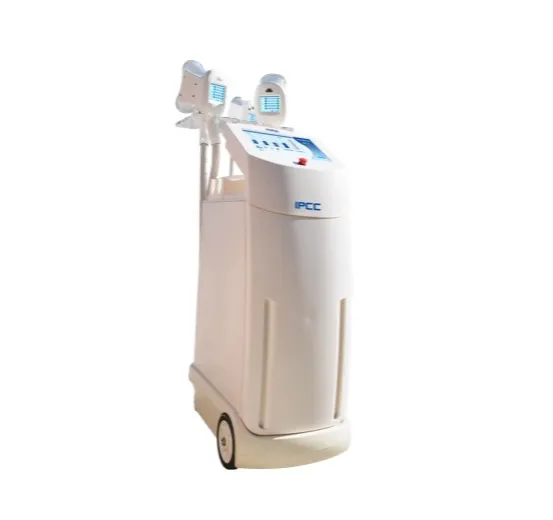 F01
Cryolipolysis Fat Freezing Machine
Cryolipolysis with vacuum and IR for hands-free fat reduction of pinchable bulges (abdomen, love handles, limbs) at 0-15°C.
View machine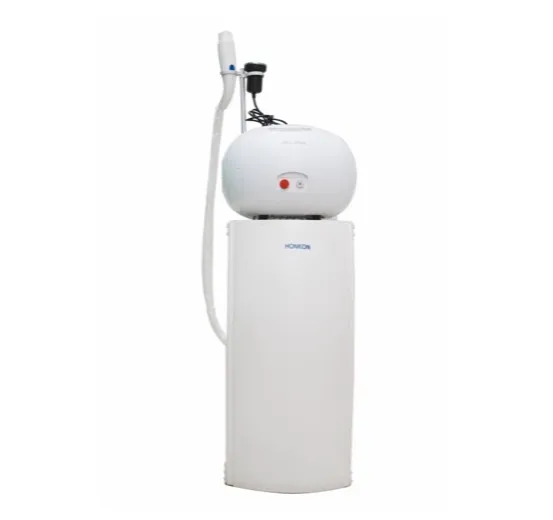 S01
Ultrasonic Cavitation Slimming Machine
40kHz ultrasonic cavitation combined with RF for larger, softer fat areas: how the pairing works, what a course looks like, and what ships with the S01.
View machine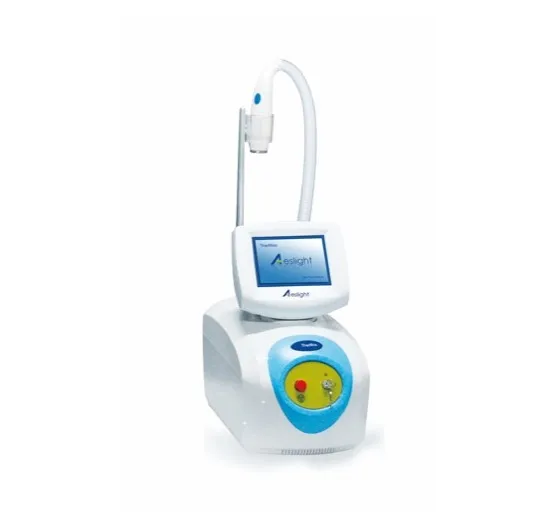 R01
RF Skin Tightening Machine
2.64MHz mono-polar and bi-polar radio frequency for skin firming, wrinkle reduction and body reshaping with contact cooling.
View machineRelated searches
Get a quotation for this solution
Tell us your market and expected volume — factory pricing follows within 12-24 hours.